 Dmitrii Shilov
9bec5edb66
Dmitrii Shilov
9bec5edb66
ScenarioMonitor.completePhase() silently no-oped when the phase had not been
started yet, and the production call ordering always hits that case:

- DatabaseTreeRendered is started in Explorer.tsx after the last databaseTreeNodes
  change, but the effect that completes it only re-fires on such a change and
  databaseTreeNodes is memoised, so the phase never closed.
- Interactive is completed by a one-shot effect whose deps are stable, so it is
  lost entirely when ResourceTree mounts before refreshExplorer starts the
  scenario.

Over three days DatabaseTreeRendered was missing in 1624 of 1627 DatabaseLoad
timeouts (99.8%) and Interactive in 588, driving DataExplorerHealthV2 to report
loads as unhealthy that had in fact completed.

completePhase now self-starts a required phase that is completed before
startPhase, and completions reported before the scenario exists are buffered and
replayed on start(). A timeout while the tab is backgrounded no longer counts
against health either: browsers throttle timers and suspend rAF there, so phase
completion is unreliable and the elapsed time is not the user's experience.
documentHidden is still reported so those can be sliced out in telemetry.

Separately, configurePortal() resolved only from the iframe message handler with
no timeout. When the portal never posts the init message the promise stayed
pending forever, leaving the user on LoadingExplorer with no diagnostic while
ApplicationLoad timed out mute. It now rejects after 30s with a ConfigurePortal
failure trace, and the caller handles the rejection instead of leaving it
unhandled.

Related: IcM 865096261
Cosmos DB Explorer
UI for Azure Cosmos DB. Powers the Azure Portal, https://cosmos.azure.com/, and the Cosmos DB Emulator

Getting Started
- Install Node.js 22.x.
npm installnpm run build
Developing
Watch mode
Run npm start to start the development server and automatically rebuild on changes
Hosted Development (https://cosmos.azure.com)
- Visit:
https://localhost:1234/hostedExplorer.html - The default webpack dev server configuration will proxy requests to the production portal backend:
https://cdb-ms-mpac-pbe.cosmos.azure.com. This will allow you to use production connection strings on your local machine.
Emulator Development
- Start the Cosmos Emulator
- Visit: https://localhost:1234/index.html
Setting up a Remote Emulator
The Cosmos emulator currently only runs in Windows environments. You can still develop on a non-Windows machine by setting up an emulator on a windows box and exposing its ports publicly:
-
Expose these ports publicly: 8081, 8900, 8979, 10250, 10251, 10252, 10253, 10254, 10255, 10256
-
Download and install the emulator: https://docs.microsoft.com/en-us/azure/cosmos-db/local-emulator
-
Start the emulator from PowerShell:
> cd C:/

> .\CosmosDB.Emulator.exe -AllowNetworkAccess -Key="<EMULATOR MASTER KEY>"
Portal Development
- Visit: https://ms.portal.azure.com/?dataExplorerSource=https%3A%2F%2Flocalhost%3A1234%2Fexplorer.html
- You may have to manually visit https://localhost:1234/explorer.html first and click through any SSL certificate warnings
Testing
Unit Tests
Unit tests are located adjacent to the code under test and run with Jest:
npm run test
End to End CI Tests
Jest and Puppeteer are used for end to end browser based tests and are contained in test/. To run these tests locally:
- Copy .env.example to .env
- Update the values in .env including your local data explorer endpoint (ask a teammate/codeowner for help with .env values)
- Make sure all packages are installed
npm install - Run the server
npm run startand wait for it to start - Run
npm run test:e2e
Releasing
We generally adhere to the release strategy documented by the Azure SDK Guidelines. Most releases should happen from the master branch. If master contains commits that cannot be released, you may create a release from a release/ or hotfix/ branch. See linked documentation for more details.
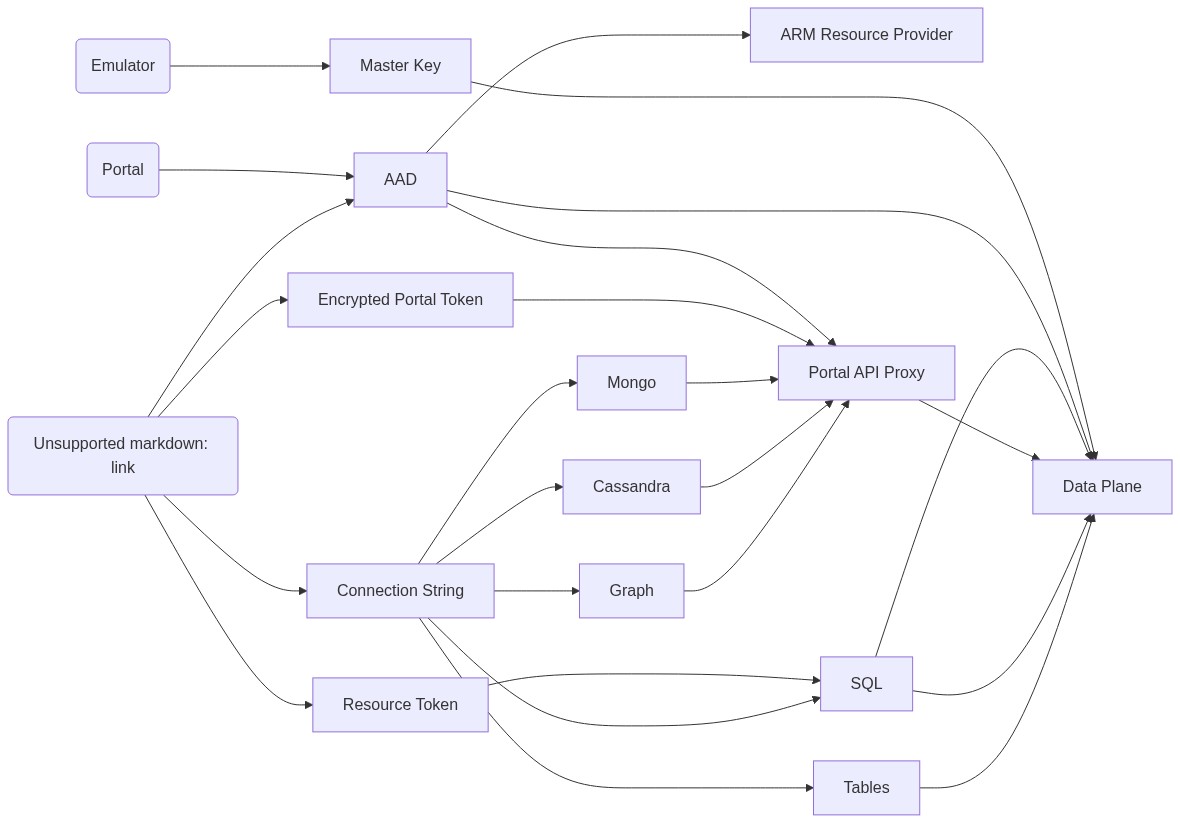
Architecture
Contributing
Please read the contribution guidelines.